A Buyer’s Guide for U.S. Industrial Applications
In the U.S. industrial market, purchasing a gearbox is rarely just about price. Engineers, OEM manufacturers, and procurement managers are under constant pressure to balance performance, reliability, lead time, and total cost of ownership. When applications require very low speed and extremely high torque, a double reduction gearbox is often the most practical and reliable solution.
This article explains what U.S. buyers should consider when selecting a double reduction gearbox, common purchasing pain points, and how working with the right industrial gearbox manufacturer can reduce risk and long-term operating costs.
Why Double Reduction Gearboxes Are Widely Used in the U.S.
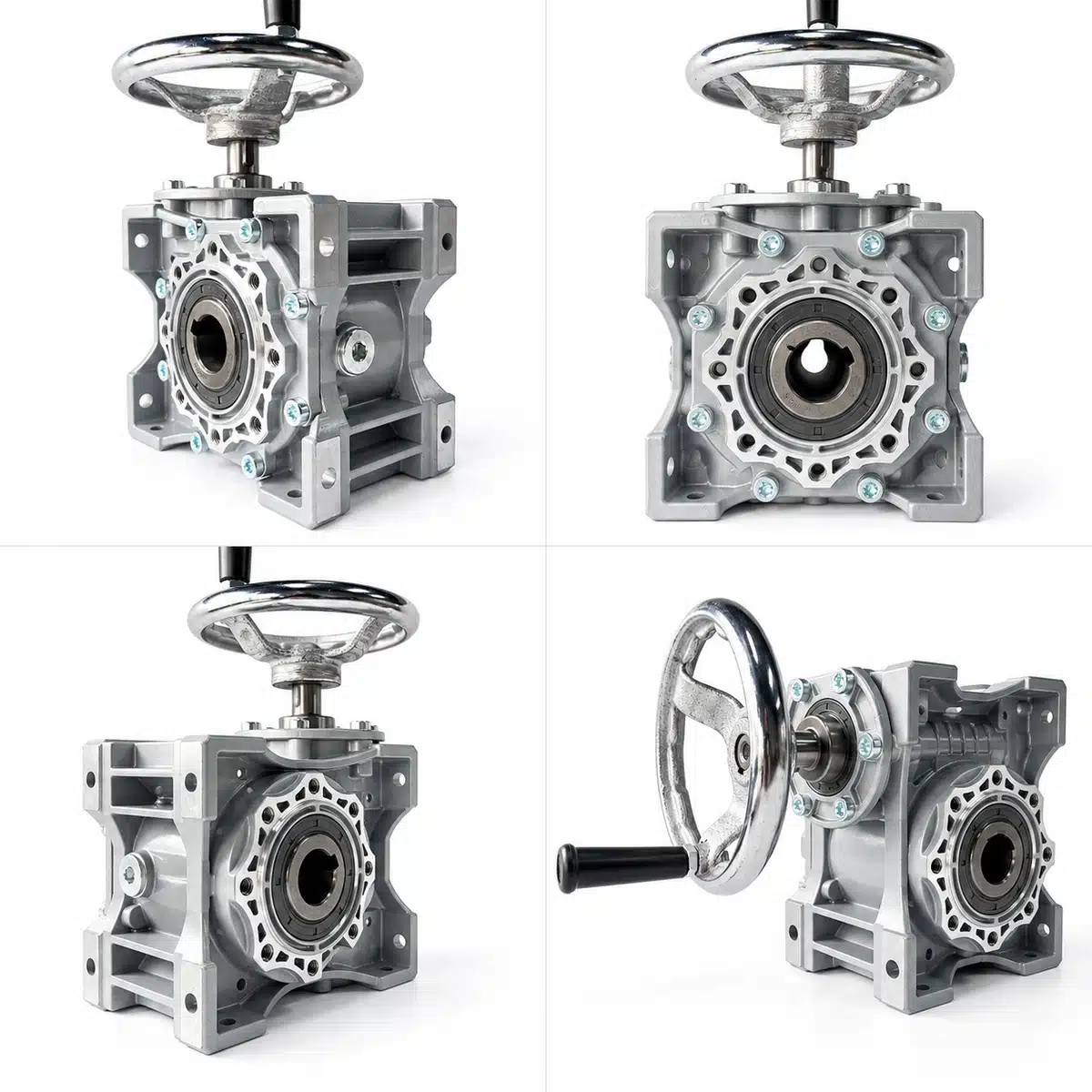
A double reduction gearbox uses two sequential gear stages to dramatically reduce input speed while multiplying output torque. Compared with single-stage gearboxes, it achieves much higher reduction ratios—often exceeding 1000:1—without requiring oversized components.
In the U.S., these gearboxes are commonly used in:
- Conveyor and material handling systems
- Elevators, hoists, and lifting equipment
- Cement plants, crushers, and heavy mixers
- Cooling towers, HVAC fan drives, and outdoor machinery
- Food processing and packaging equipment
For many American manufacturers, double reduction gearboxes provide a compact and cost-effective way to meet demanding torque requirements while maintaining operational safety.
Common Procurement Pain Points for U.S. Buyers
Despite their advantages, sourcing the right gearbox is not always straightforward. U.S. buyers frequently encounter the following challenges:
1. Insufficient Torque or Gearbox Failure
Selecting an under-rated gearbox can lead to overheating, premature wear, or complete failure—resulting in unplanned downtime and costly repairs.
2. Long Lead Times from Local Suppliers
Many domestic suppliers offer limited standard models. Custom ratios or mounting configurations often require long lead times, delaying production schedules.
3. Compatibility Issues with Motors
Gearboxes must integrate seamlessly with AC motors, servo motors, or stepper motors. Poor compatibility increases installation complexity and commissioning time.
4. Safety Concerns in Lifting Applications
For vertical or load-holding applications, back-driving can be dangerous. Buyers often require self-locking gearbox designs to improve safety and compliance.
What to Look for in a Double Reduction Gearbox
To avoid these issues, experienced U.S. buyers typically evaluate the following factors:
- Reduction Ratio Range: Can the gearbox achieve ratios from 100:1 to 4,900:1 or higher?
- Torque Capacity: Is it designed for continuous industrial operation?
- Gear Configuration: Double worm, worm–helical, or bevel/helical depending on efficiency and space constraints
- Self-Locking Capability: Essential for lifting and safety-critical systems
- Thermal Performance: Low temperature rise ensures long service life
- Manufacturer Support: Technical selection assistance and fast response
Working directly with a professional gearbox company helps ensure these requirements are addressed early in the procurement process.
Why Many U.S. Buyers Choose Double Worm Reduction Gearboxes
Among various designs, double worm reduction gearboxes are especially popular in the U.S. market. They offer:
- Extremely high reduction ratios in a compact footprint
- Right-angle installation for space-limited equipment
- Natural self-locking characteristics
- Smooth, low-noise operation
These advantages make them ideal for conveyors, hoists, and heavy-duty industrial machinery operating at low speeds.
Working with the Right Industrial Gearbox Manufacturer
Choosing the right industrial gearbox manufacturer is just as important as selecting the gearbox itself. Reliable manufacturers offer:
- Factory-direct pricing without intermediaries
- OEM and custom gearbox solutions
- Proven quality control and testing standards
- Fast quotation and engineering support
- Long-term supply stability
For U.S. buyers seeking a dependable solution, working with an experienced manufacturer reduces technical risk and improves total lifecycle cost.
A Proven Double Reduction Gearbox Solution
If your application requires high torque, low speed, and long-term reliability, consider partnering with a trusted double reduction gearbox manufacturer that understands U.S. industrial requirements.
Learn more about our factory-direct solutions here:
👉 Double Reduction Gearbox Manufacturer
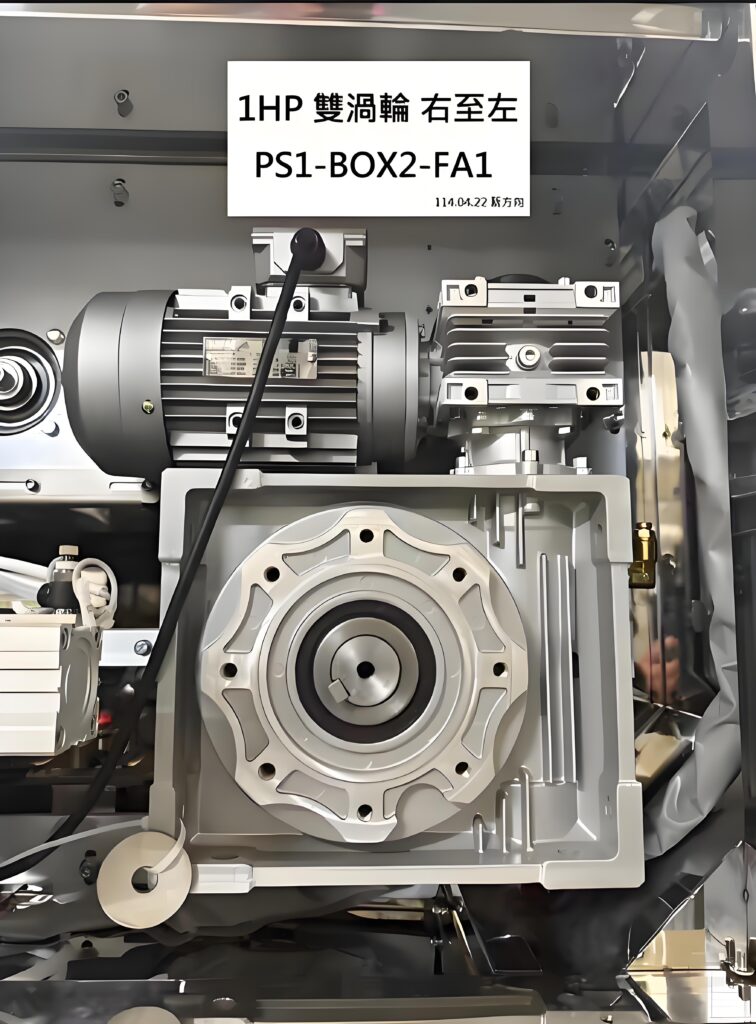
Our double reduction gearboxes are engineered for demanding industrial environments and are compatible with a wide range of motors and mounting configurations.
Final Thoughts
For U.S. industrial buyers, a double reduction gearbox is not just a component—it is a critical part of system reliability and safety. By understanding application requirements, common procurement challenges, and the value of working with a professional gearbox company, buyers can make informed decisions that reduce downtime and operating costs.
If you are sourcing a double reduction gearbox for your next project, partnering with an experienced industrial gearbox manufacturer can make the difference between short-term savings and long-term success.