Aluminum vs Cast Iron Worm Gearboxes: A Comprehensive B2B Selection Guide
For industrial distributors, OEM engineers, and procurement managers, the choice between an aluminum worm gearbox and a cast iron worm gearbox is more than just a matter of aesthetics. It is a strategic decision that affects machine weight, thermal efficiency, corrosion resistance, and, ultimately, the total cost of ownership.
As a specialized manufacturer of power transmission solutions, we receive this question daily: “Which housing material is right for my application?” This guide breaks down the technical and economic differences to help you make an informed decision for your next large-scale procurement.
Material Differences
The fundamental difference between these two gearboxes lies in their metallurgical properties and manufacturing processes.
Aluminum Worm Gearboxes (The NMRV Standard)
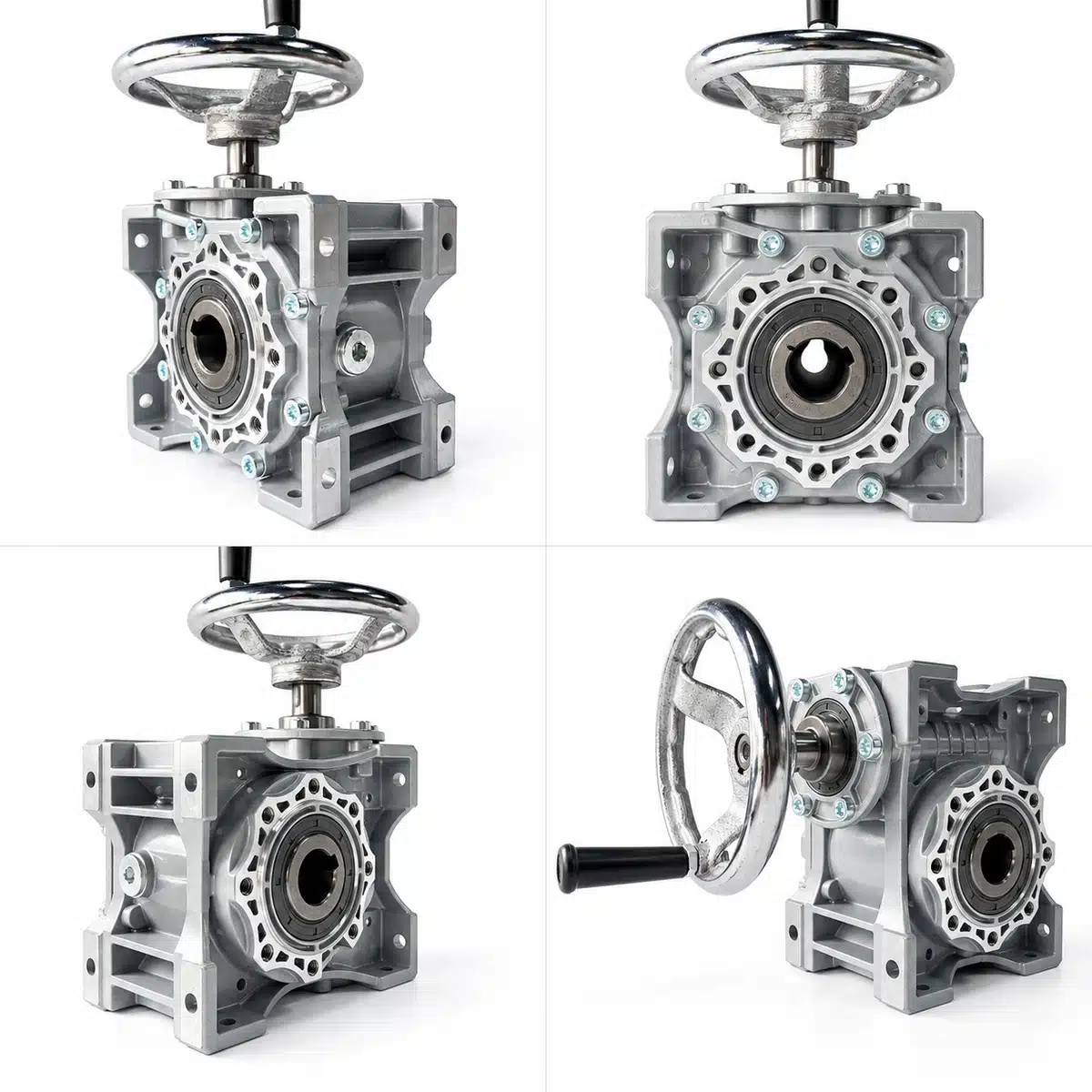
Modern aluminum worm gearboxes, such as the industry-standard NMRV series, are typically made from die-cast aluminum alloy (like ADC12).
- Surface Finish: Naturally smoother than cast iron, often requiring only simple painting or even just a shot-blasted finish.
- Precision: Die-casting allows for tighter tolerances in the housing, reducing the need for extensive secondary machining.
Cast Iron Worm Gearboxes (The Heavy-Duty Standard)
Traditional cast iron worm gearboxes (like the WP series or large NMRV 110-150 units) are made from Grey Cast Iron (typically GG20 or GG25).
- Structural Integrity: Cast iron is significantly denser and more rigid. It excels at dampening vibrations and resisting physical deformation under extreme shock loads.
- Environmental Resistance: While prone to rust if unpainted, cast iron handles high-alkaline or high-acid environments better than aluminum when properly coated.
Heat Dissipation
Because worm gearboxes rely on sliding friction, they generate significant heat. How the housing manages this heat is a primary performance differentiator.
The Aluminum Advantage
Aluminum has a thermal conductivity nearly three times higher than cast iron.
- Rapid Cooling: An aluminum worm gearbox acts as its own heat sink, pulling heat away from the internal bronze wheel and dissipating it into the atmosphere.
- Cooling Fins: Most aluminum housings are designed with integrated cooling fins to increase surface area, allowing the unit to run cooler during high-duty cycles.
The Cast Iron Profile
Cast iron retains heat longer. In high-torque applications where internal temperatures can soar, a cast iron gearbox might require a larger surface area or even external cooling fans to prevent the oil from degrading. However, its mass allows it to handle “thermal spikes” without immediate housing expansion.
Weight Comparison
In modern machine design—especially for mobile equipment, automated arms, or raised platforms—weight is a critical KPI.
Why it matters for B2B: Lower weight reduces shipping costs (especially for international B2B export) and allows for smaller, less expensive mounting structures. If your application involves a motor hanging off a shaft, an aluminum worm gearbox significantly reduces the overhung load on the machine’s bearings.
Cost Comparison
From a procurement perspective, the “cost” is split into the purchase price and the operational lifespan.
- Manufacturing Cost: Aluminum die-casting is a high-speed process. Once the mold is made, units can be produced rapidly with minimal machining. This makes aluminum gearboxes more cost-effective for small to medium frame sizes (025 to 090).
- Raw Material Stability: Cast iron prices are generally more stable, but the labor-intensive sand-casting and extensive machining required for cast iron make it more expensive in smaller sizes, though it becomes the only viable option for very large, high-torque units.
Application Scenarios
As a factory, we recommend choosing based on your specific environmental and mechanical stressors.
Best Scenarios for Aluminum Worm Gearboxes:
- Food & Beverage: Aluminum does not flake or rust, making it ideal for wash-down environments when paired with epoxy coating.
- Precision Automation: Low weight and high heat dissipation are perfect for 24/7 packaging lines.
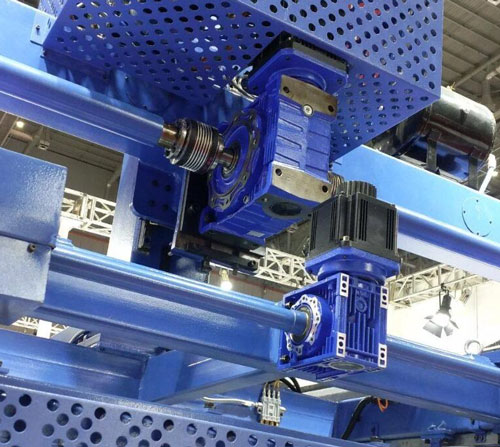
- Logistics: Conveyor systems benefit from the modularity and easy mounting of aluminum units.
Best Scenarios for Cast Iron Worm Gearboxes:
- Mining & Quarrying: Where the gearbox might take physical hits or operate in extremely abrasive dust.
- Heavy Agitation: Where constant vibration would cause fatigue in lighter aluminum housings.
- High Torque (>1000 Nm): When the mechanical stress requires the sheer mass and rigidity of GG25 iron.
Conclusion: Which Should You Buy?
For most B2B applications requiring a center distance under 90mm, the aluminum worm gearbox is the modern, efficient, and cost-effective choice. However, for heavy industrial applications where “mass equals reliability,” the cast iron worm gearbox remains the king of the factory floor.
Are you ready to optimize your supply chain with high-quality gearboxes?